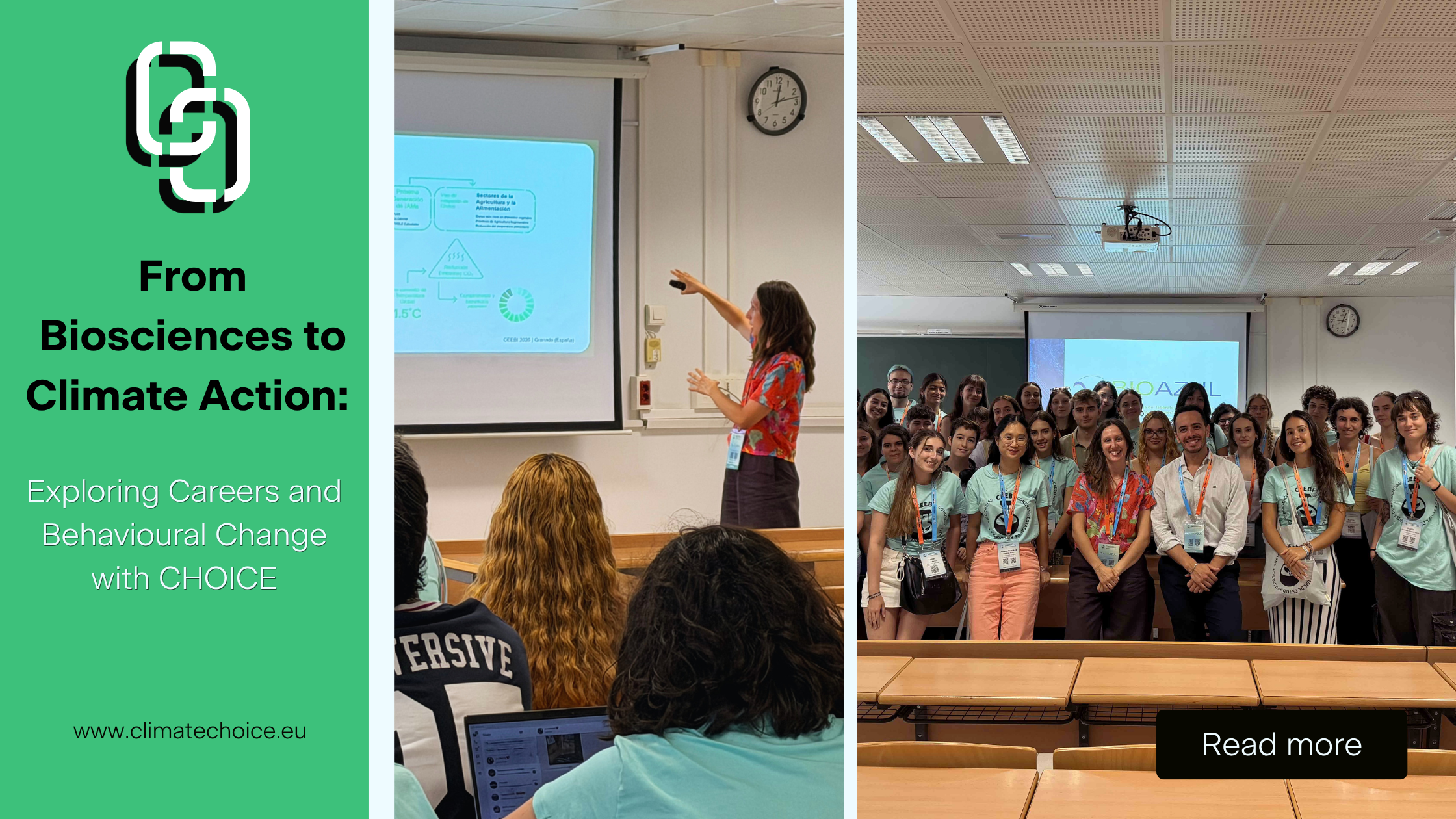
From 14 to 17 July 2026, Granada hosted the V Congreso Estatal de Estudiantes de Biociencias, bringing together students eager to learn more about science, innovation and future career paths.
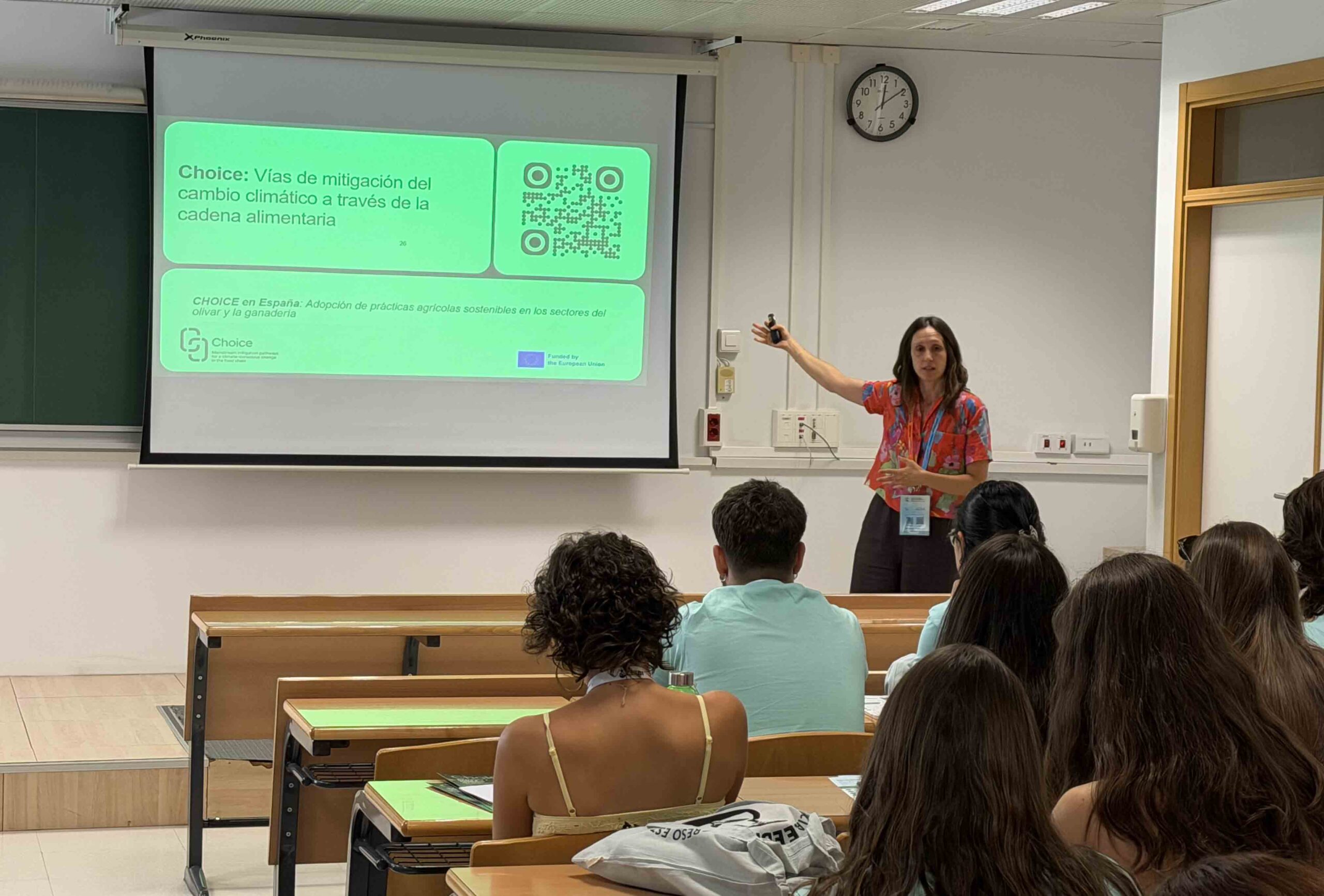
Around 40 students joined the session “Beyond the laboratory: career opportunities in European projects, using CHOICE as a case study,” which combined a presentation with an interactive workshop.
Led by David Salaberri, Communication and Marketing Manager in R&D&I, and Beatriz Rodríguez, R&D&I Project Manager at BIOAZUL, the session introduced CHOICE as a real-world example of how European projects bring together different disciplines and professional profiles to address complex challenges such as climate change and food-system transformation.
Looking beyond traditional scientific careers
Scientific careers are not limited to laboratory work.
European research and innovation projects create opportunities for professionals with diverse skills and backgrounds, including researchers, engineers, behavioural scientists, communication specialists, project managers and stakeholder-engagement experts.
Through the CHOICE case study, students discovered how multidisciplinary collaboration can help address complex challenges such as climate change and food-system transformation.
CHOICE connects expertise from the Social Sciences and Humanities, Biosciences and Computational Engineering. This combination enables the project to link scientific modelling with a deeper understanding of how people make decisions and what influences their ability or willingness to adopt more sustainable practices.
The presentation encouraged students to consider the wide variety of careers available within European projects. Alongside scientific research, professionals can contribute through coordination, communication, data analysis, digital-tool development, stakeholder engagement and the translation of research findings into practical resources.
Experiencing behavioural science in action
The session moved beyond theory by inviting students to participate in an interactive behavioural science activity.
During the workshop, participants experimented with one of the methodologies used in CHOICE to explore and measure behavioural change. The activity demonstrated how motivations, perceptions, habits and social contexts can influence people’s everyday decisions.
Understanding these factors is essential for designing effective climate and sustainability interventions.
Scientific information alone does not always lead to action. People may face practical, economic, cultural or social barriers that affect their choices. Behavioural science helps researchers identify these barriers and develop messages, tools and engagement activities that respond to the needs of different audiences.
By participating directly in the exercise, students experienced how behavioural research can connect scientific knowledge with real-world action.
Bringing the CHOICE Spanish Pilot to students
The session also introduced the CHOICE Spanish Pilot, which focuses on encouraging more sustainable practices in Andalusia’s olive-grove and livestock sectors.
The pilot engages farmers, livestock producers, cooperatives and other agricultural stakeholders to better understand the factors that influence the adoption of climate-conscious practices.
Through participatory activities, behavioural methodologies, accessible communication materials and Integrated Assessment Models, CHOICE seeks to make the impacts and co-benefits of different choices easier to understand.
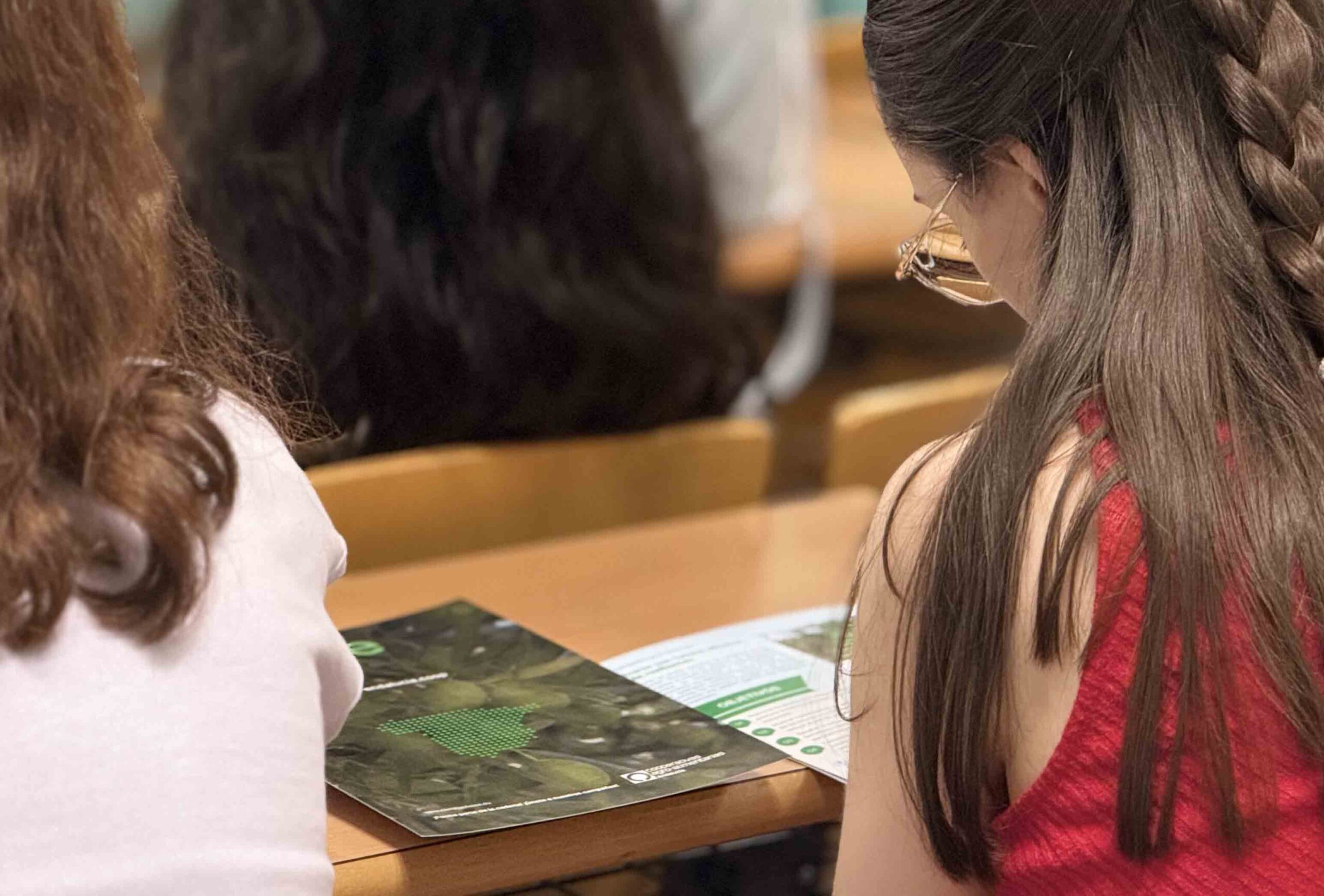
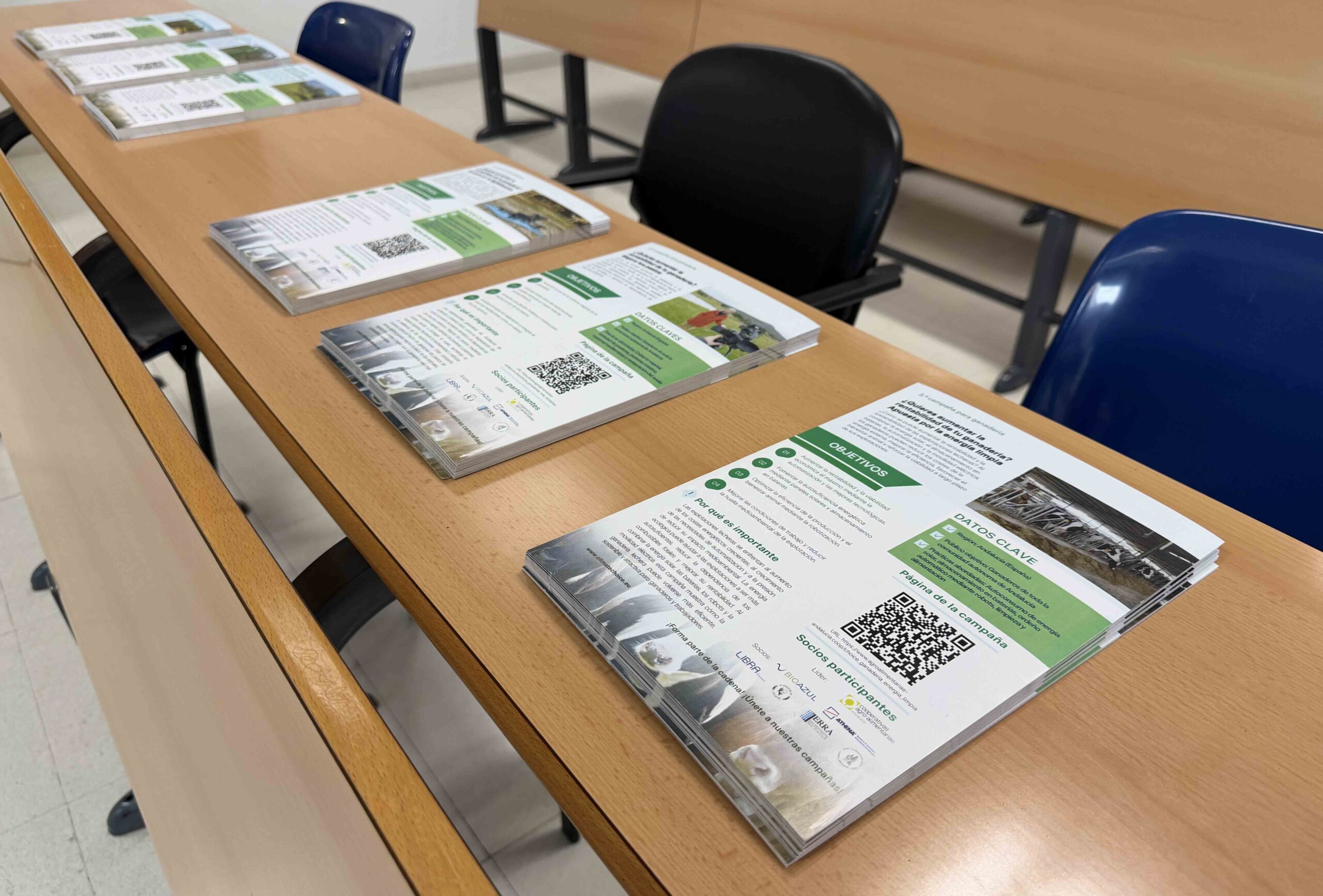
At the conference, students had the opportunity to explore the factsheets developed for the Spanish Pilot’s olive-grove and livestock campaigns.
These materials translate complex scientific and behavioural insights into clear, practical and visually accessible messages. They are designed to support dialogue with agricultural communities and strengthen awareness of sustainable farming practices.
The olive-grove campaign promotes a vision of more efficient and intelligent, more resilient and more profitable olive groves. The livestock campaign focuses on encouraging sustainable farming practices and raising awareness of how these can reduce the sector’s carbon footprint and increase profitability.
Displaying the factsheets at the conference helped demonstrate how research findings can move beyond academic publications and become practical tools for communication, participation and behavioural change.
Connecting science with people and choices
The session highlighted one of CHOICE’s central principles: meaningful climate action requires both robust scientific evidence and a clear understanding of people.
Integrated Assessment Models help researchers explore the relationships between food systems, agriculture, land use, emissions and climate change. Their value increases when they also reflect the diversity of actors, behaviours and real-life decision-making contexts.
Through participatory approaches, digital tools and engagement campaigns, CHOICE makes this knowledge more accessible and empowers people to participate in shaping more sustainable pathways.
For the students in Granada, the session offered a concrete example of how different disciplines and professional profiles can work together to transform research into climate-conscious action.