Building Sustainable Futures: CHOICE Colombia Rolls Out Second and Third Community Campaigns
In the hills of Cauca, Colombia, women coffee producers are continuing to lead conversations around climate, sustainability, and transformation. After the successful launch of the first campaign in October 2025, the CHOICE pilot in Colombia rolled out its second and third community engagement campaigns — each one deepening the dialogue and action on key issues identified by local producers themselves.
These campaigns, developed by AMUCC, Supracafé, and Tecnicafé, brought together nearly 180 women across rural municipalities to reflect, learn, and co-create solutions grounded in their daily experiences as coffee farmers.
"I Learn and Unlearn to Care for My Coffee, My Land, and My Future"
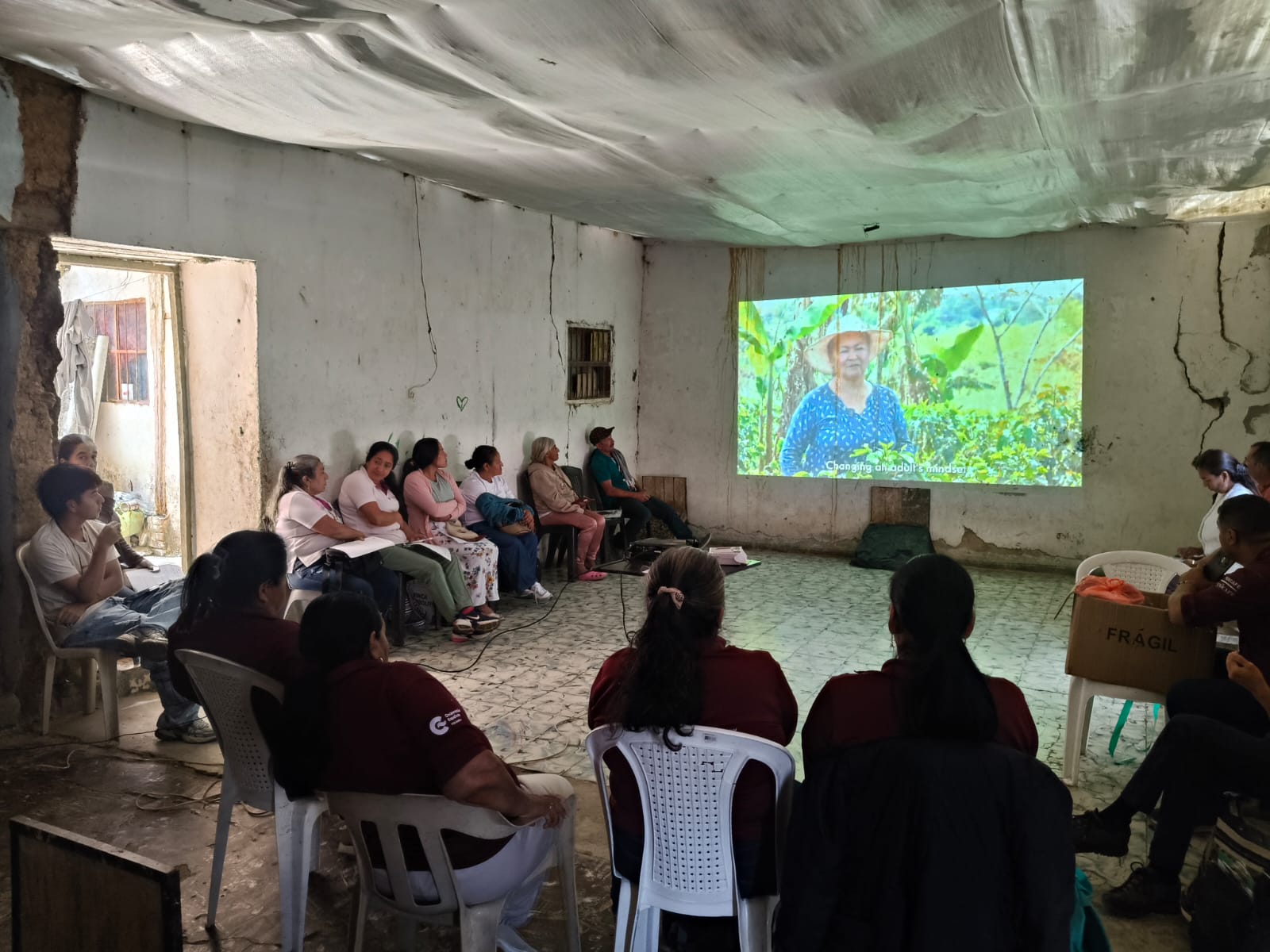
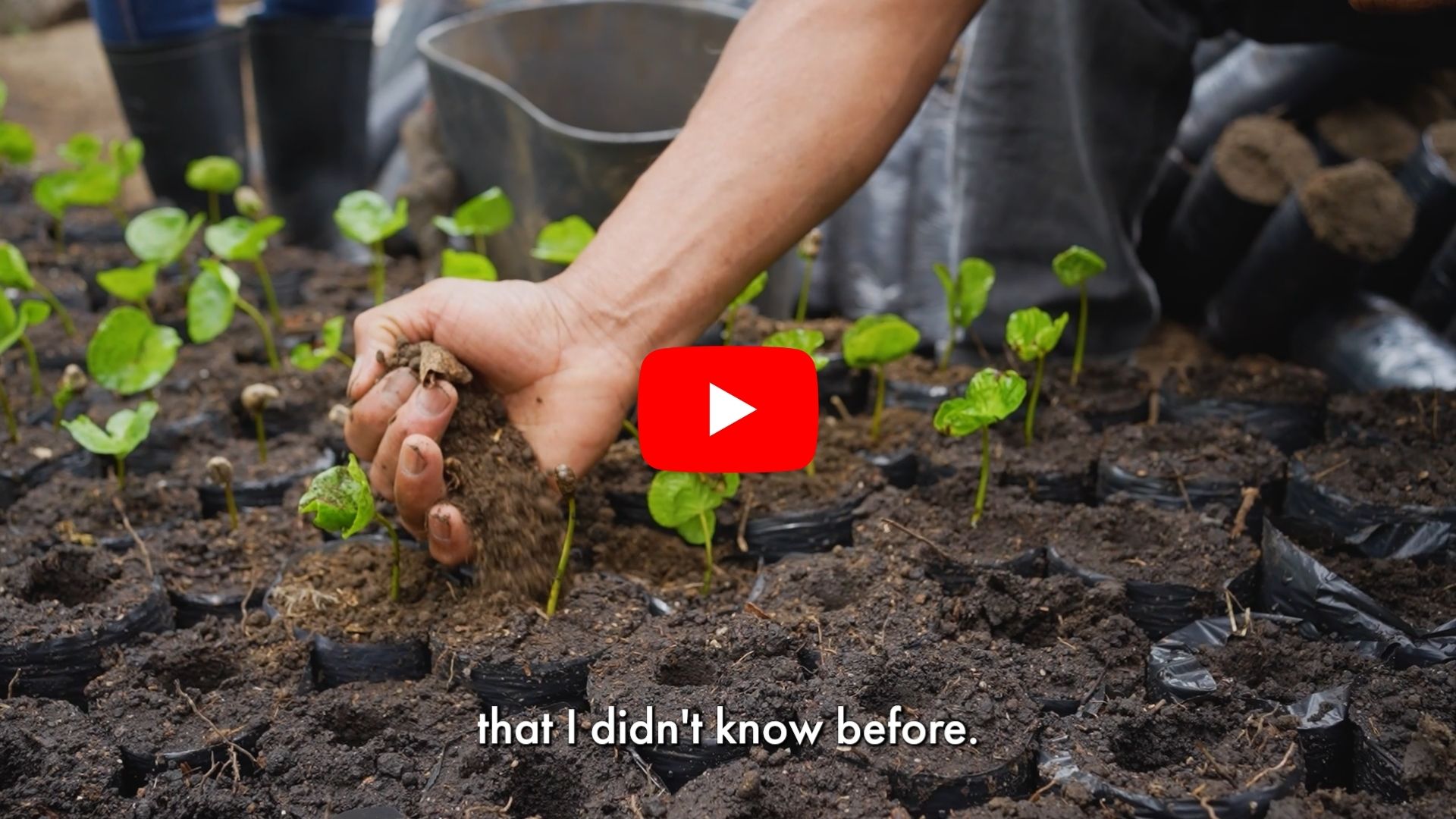
The second campaign premiered on November 21, 2025, during the III Women in Coffee Meeting of Cauca (ENTREAMIGAS), and introduced a new short film created by and starring AMUCC members. Filmed in the rural community of Santa María, the video follows several women producers as they share their experiences of moving away from synthetic fertilisers and toward agroecological solutions.
From using compost made from farm waste to incorporating organic matter into the soil, the women highlight simple yet powerful actions that improve soil structure, lower input costs, and strengthen climate resilience. The video also touches on cultural beliefs and barriers around organic practices, using storytelling to challenge myths and promote informed decision-making.
Watch the full video here: https://youtu.be/g68Q6Rm4OvY
Scene from the 2nd campaign video highlighting the experience of coffee producers in Santa María, a rural municipality in Colombia where farmers are implementing agroecological practices to strengthen both sustainability and resilience.
Following the screening, the session featured the interactive activity Build or Deconstruct, which translated emissions data into relatable comparisons. Participants learned that conventional coffee farming using chemical fertilisers can generate up to 5 tonnes of CO₂ per hectare each year — the equivalent of traveling around the world by motorcycle.
These insights sparked rich discussion. Some participants had already begun transitioning to organic inputs like biofertilisers or bocashi, while others shared their concerns and uncertainties. The session created space for honest exchange, peer support, and reflection on what change looks like at the local level.
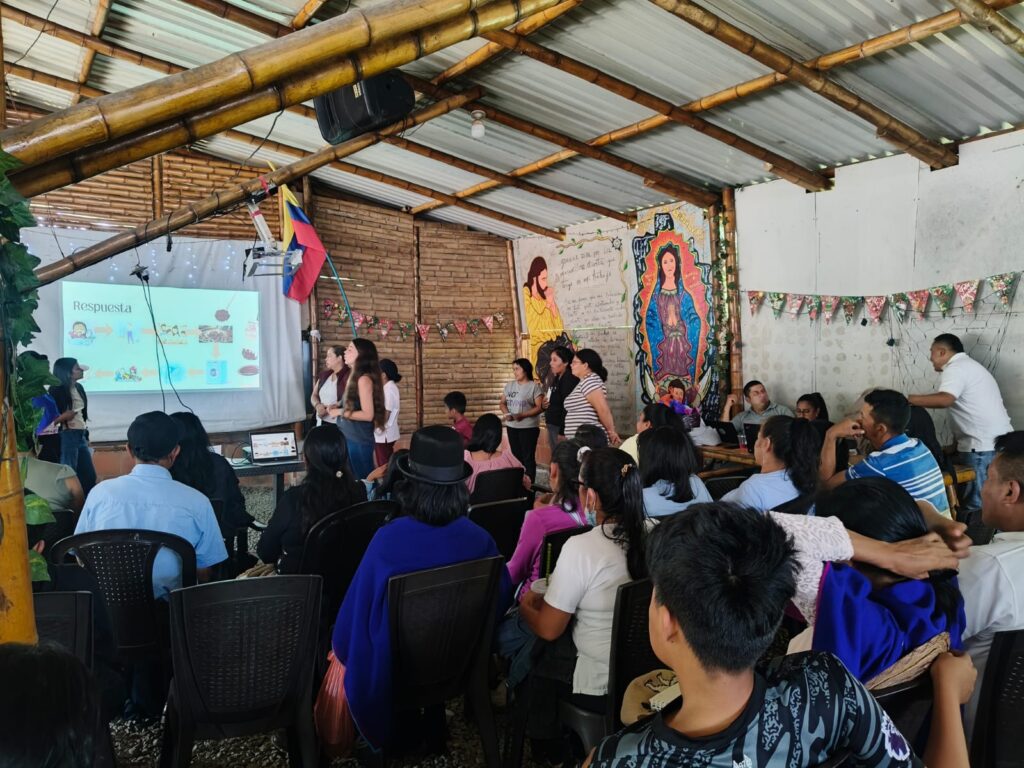
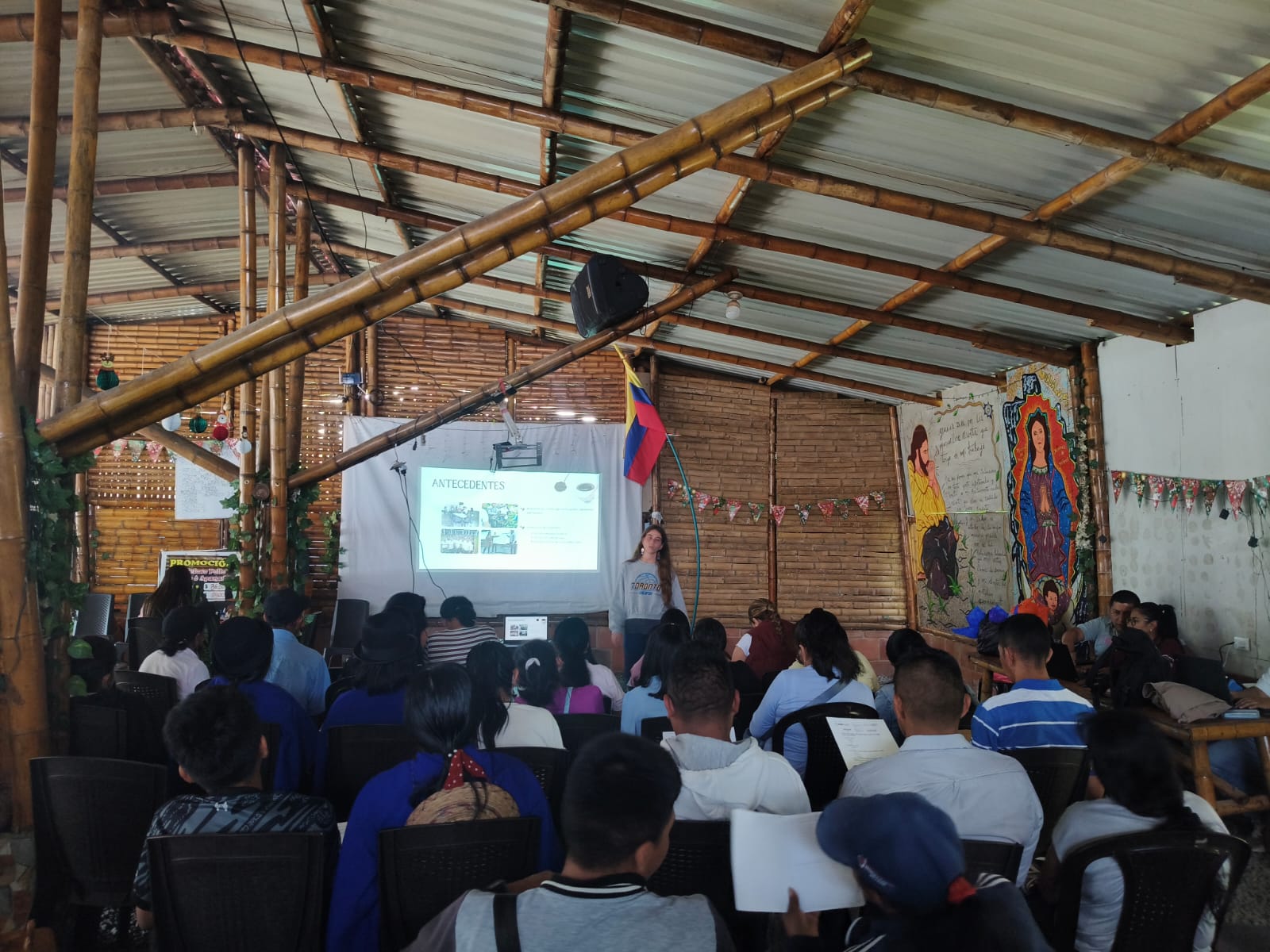
This campaign didn’t stop in November. It was later re-implemented across four municipalities between December 9–12, as part of a wider rollout reaching more communities. Each session included a screening of the film and a guided group activity titled Build or Deconstruct, which helped participants visualise the climate impact of synthetic fertiliser use by comparing it to common experiences—like the CO₂ emissions from riding a motorcycle across Colombia or around the world.
The activities revealed that although conventionally managed coffee farms can emit up to 5 tonnes of CO₂ per hectare per year, the organic methods can reduce emissions by up to 80%.
“Drops of Water That Drive Change in Coffee Farming”
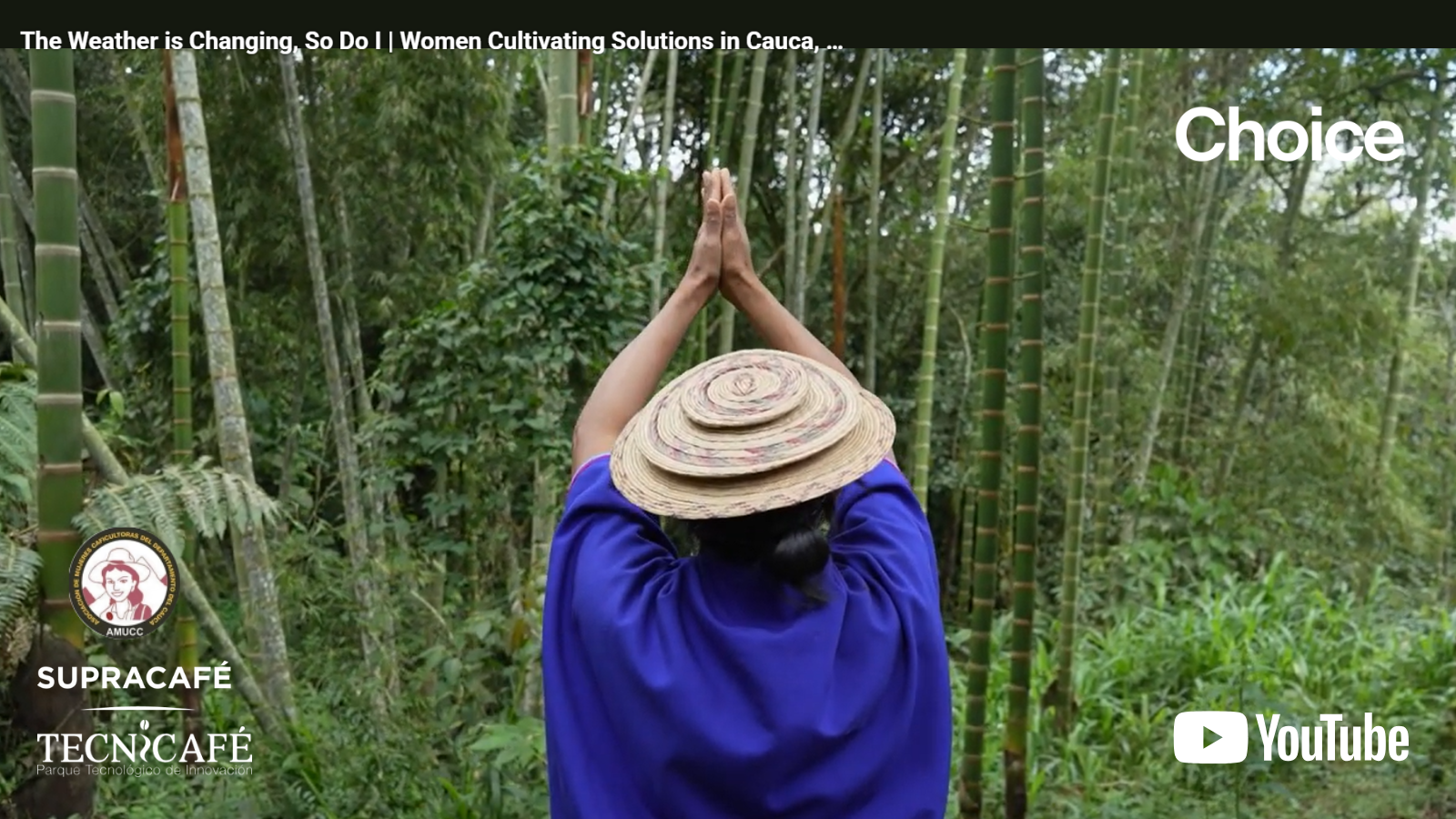
Running in parallel with Campaign 2 during the December sessions, the third campaign introduced participants to the hidden realities of water use in coffee production and daily life. Like the previous campaigns, it featured a peer-produced video, now available to watch online: https://youtu.be/Csdvj8_QgFo
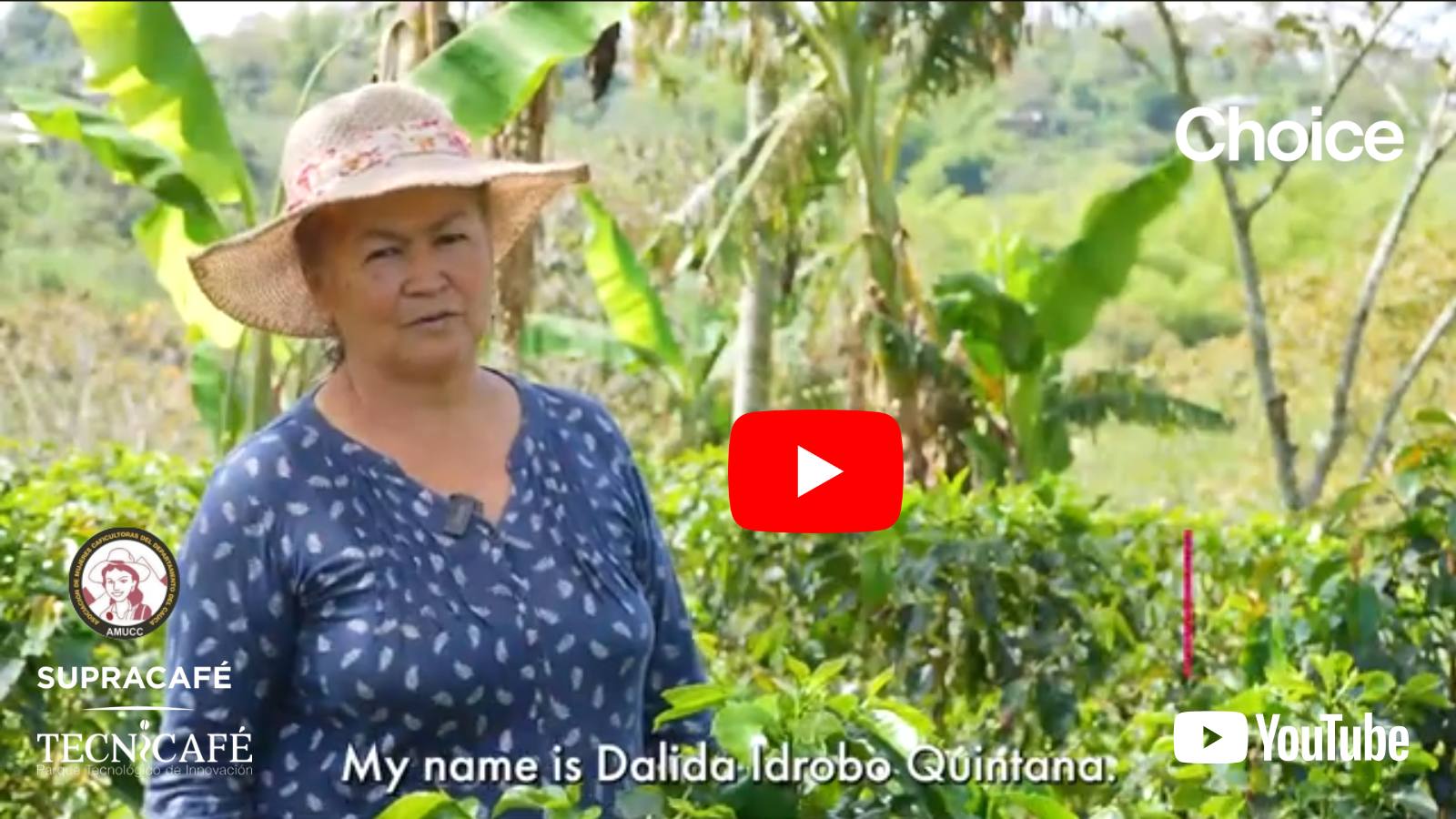
Still from the campaign video “Drops of Water That Drive Change in Coffee Farming
The video served as a starting point for dialogue, illustrating how water is used at different stages of coffee farming and encouraging reflection on daily consumption. Following the screening, participatory activities and group discussions helped make abstract concepts more tangible and locally relevant.
In the activity “How Much Water Do We Use Without Realising It?”, participants worked together to rank common household and farm tasks—such as brushing teeth, doing laundry, or washing coffee—by their estimated water use. One key insight: a single cup of coffee can require up to 140 litres of water, when factoring in green, blue, and grey water.
The sessions also examined the high water demands of post-harvest processing methods, such as fermentation and washing, which may consume 20–40 litres per batch. Women shared existing water-saving practices already in use in their communities, including micro-processing techniques, reuse systems, and adaptations to fermentation methods.
Collective Participation and Local Impact
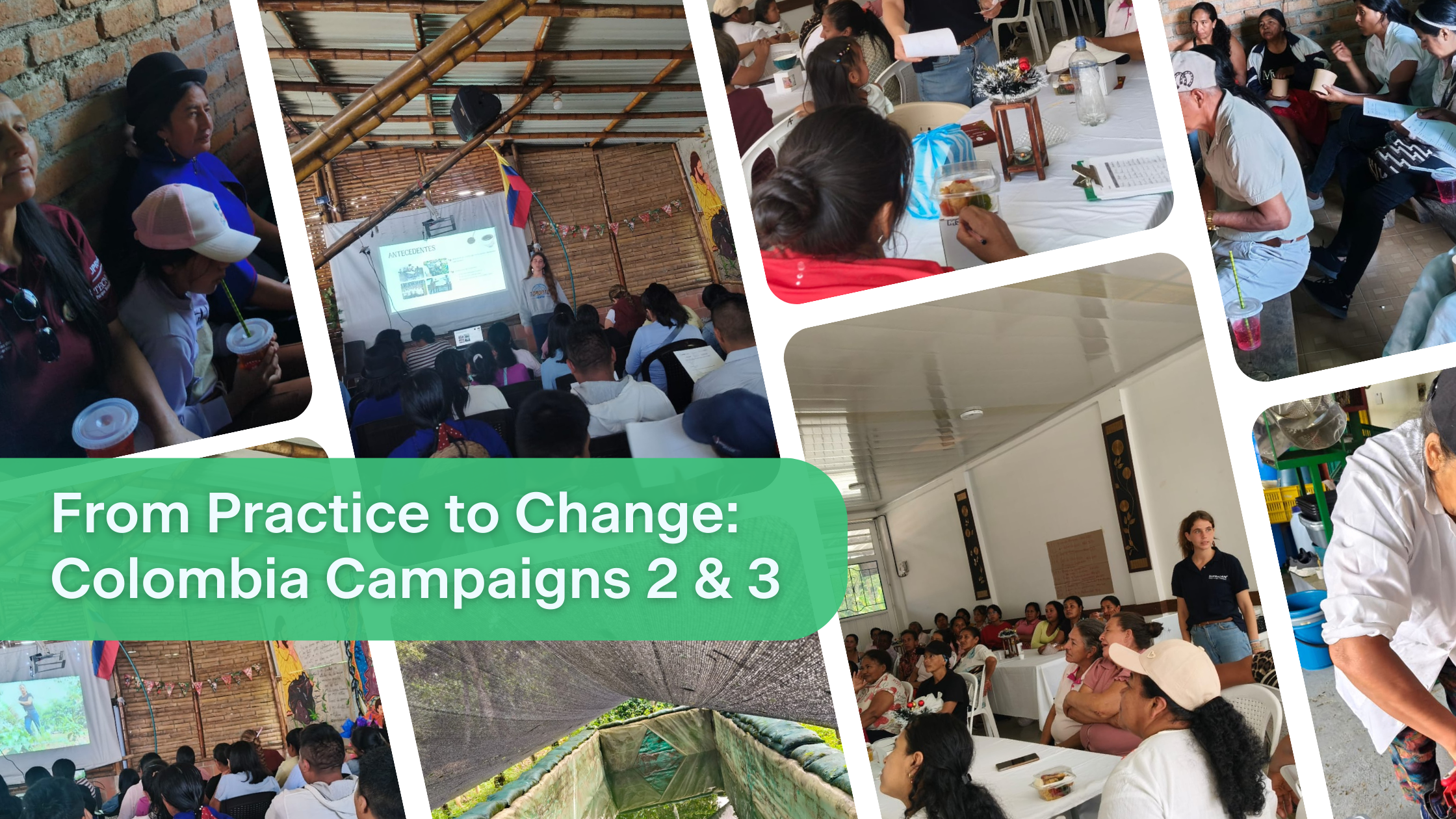
Between both campaigns, participatory sessions were held in Cajibío, El Tambo, Piendamó, Morales, Caldono, and La Vega, with a total of 89 women reached through Campaign 2 and 83 through Campaign 3 during the December rollout. Most participants were women between the ages of 35 and 60, many of whom are actively producing coffee using conventional methods but show increasing interest in sustainable alternatives.
Both campaigns followed a shared session structure:
- Introduction to the CHOICE project
- Thematic content (video or presentation)
- Interactive group activity
- Pre- and post-campaign survey
- Open reflection and discussion
In some municipalities, facilitators also screened the first campaign’s video on climate change for participants who hadn’t yet seen it, helping maintain continuity across the campaign series.
Participatory Learning as a Pathway to Change
These campaigns continue to confirm the power of participatory, community-led learning. Activities like emissions comparisons and water mapping helped translate complex environmental data into meaningful, locally grounded knowledge. By seeing their own experiences reflected in peer-led videos and interactive sessions, women farmers are building the confidence and capacity to question old practices and adopt new ones.
The campaigns also reaffirmed the value of oral, visual, and experiential approaches, especially in communities where access to formal education may be limited. Rather than simply delivering information, the CHOICE Colombia pilot is co-creating a space for women to learn from one another, test ideas, and take climate action on their own terms.
And this is just the beginning.
As the Cine a la Finca miniseries continues in 2026, the next campaigns will focus on the use of non-renewable energy in coffee farming (Campaign 4), and conclude with a final documentary-style reflection (Campaign 5) capturing the behavioural shifts and farm-level changes sparked across the pilot. Each step builds toward a shared goal: low-carbon, climate-resilient farming systems—led by women, rooted in community, and shaped through collective knowledge.
Stay tuned as the Colombian pilot of CHOICE, led by Supracafé and Tecnicafé, continues to cultivate change from the ground up.
Visit the Colombian pilot page to learn more.