Motivation
Colombia is one of the three largest coffee producers in the world (8.9% of the global total), contributing 11% of total agricultural GCP. Inevitably, women’s work in coffee production plays a central role.
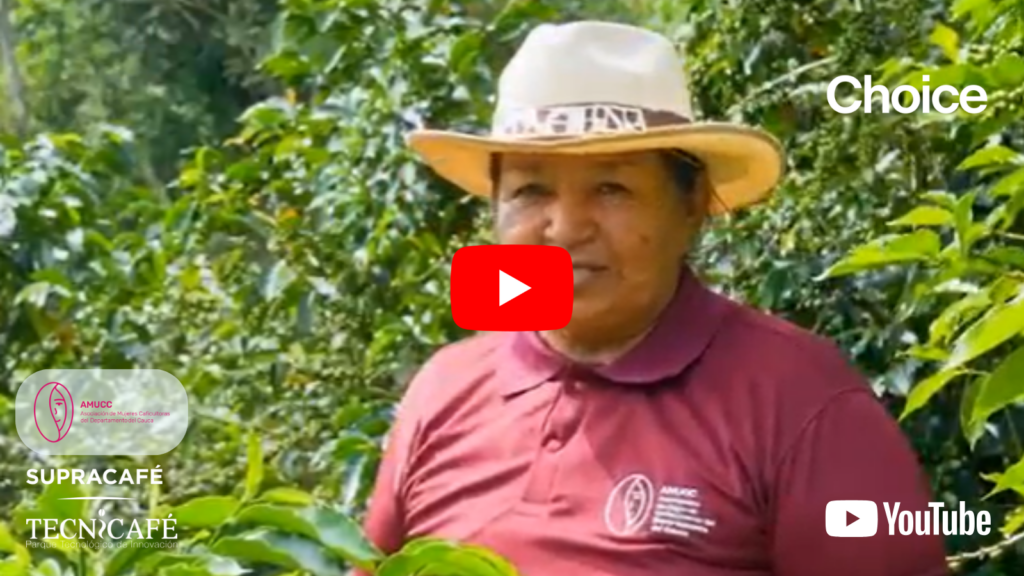
The partners of CHOICE, SUPRACAFÉ and TECNiCAFÉ, are among the first organizations in the world to guarantee constant support for women coffee farmers in the Cauca area and the production of 100% sustainable quality coffee. The immediate measures taken so far to address the impacts of climate change involve capacity building activities to adopt technological innovation and good agricultural practices. However, the existence of traditional coffee processes, little knowledge of technologies that optimize resources for production, the resulting vulnerabilities (excessive use of water and pollution), the high costs of production and transformation of the grain (constant adaptations and calibrations of pulpers, water channels and fermentation tanks with inadequate materials, lack of standardization of processes) and little traceability for product quality, are significant limitations that prevent coffee farmers in the department of Cauca from following a sustainable path.
Pilot Scope and Activities
Taking advantage of the articulated work that SUPRACAFÉ and TECNiCAFÉ does with the Association of Women Coffee Growers of Cauca (AMUCC), more than 487 small coffee producers from 10 coffee-growing municipalities in the region, who manage more than 600 hectares of coffee lands, will be involved in the pilot activities.
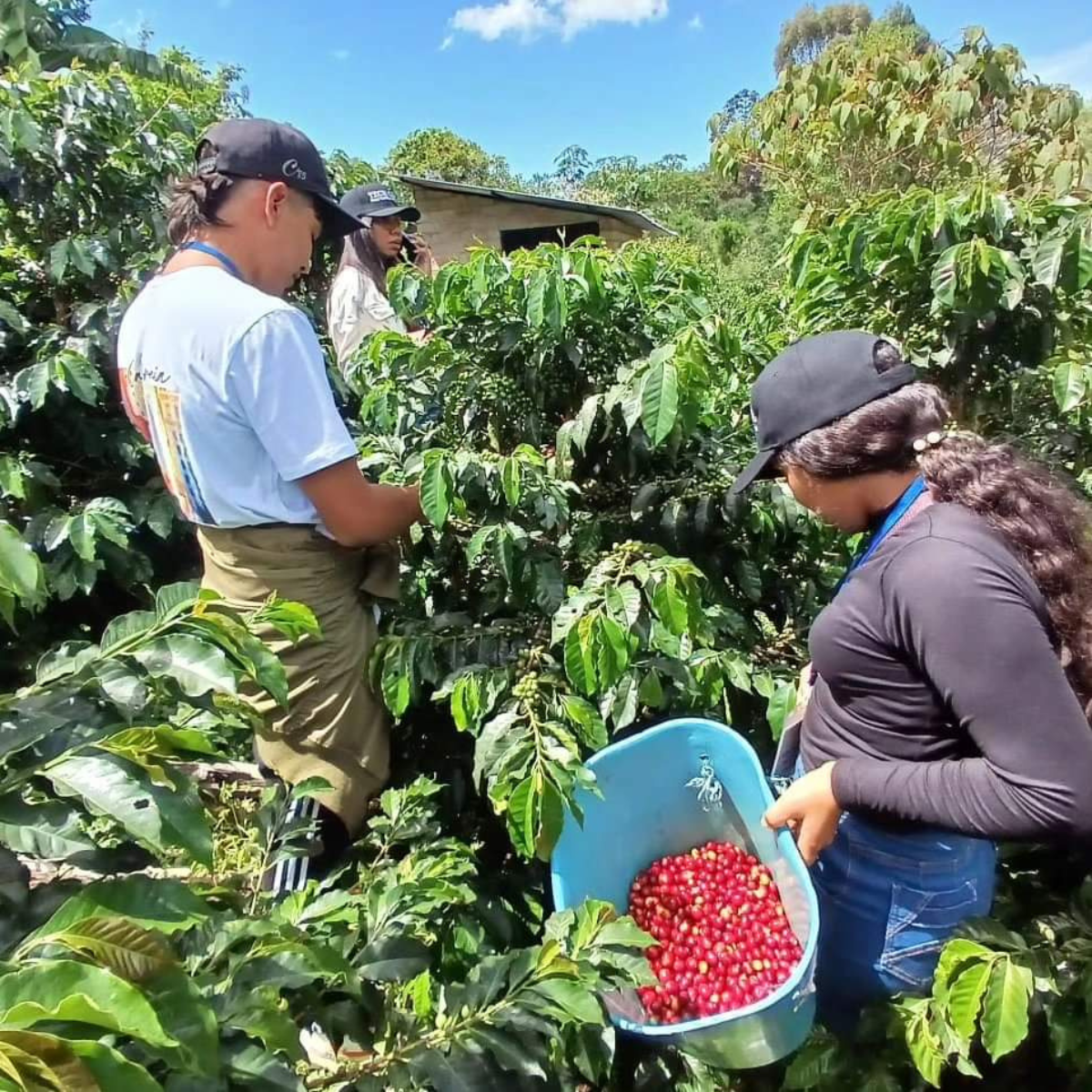
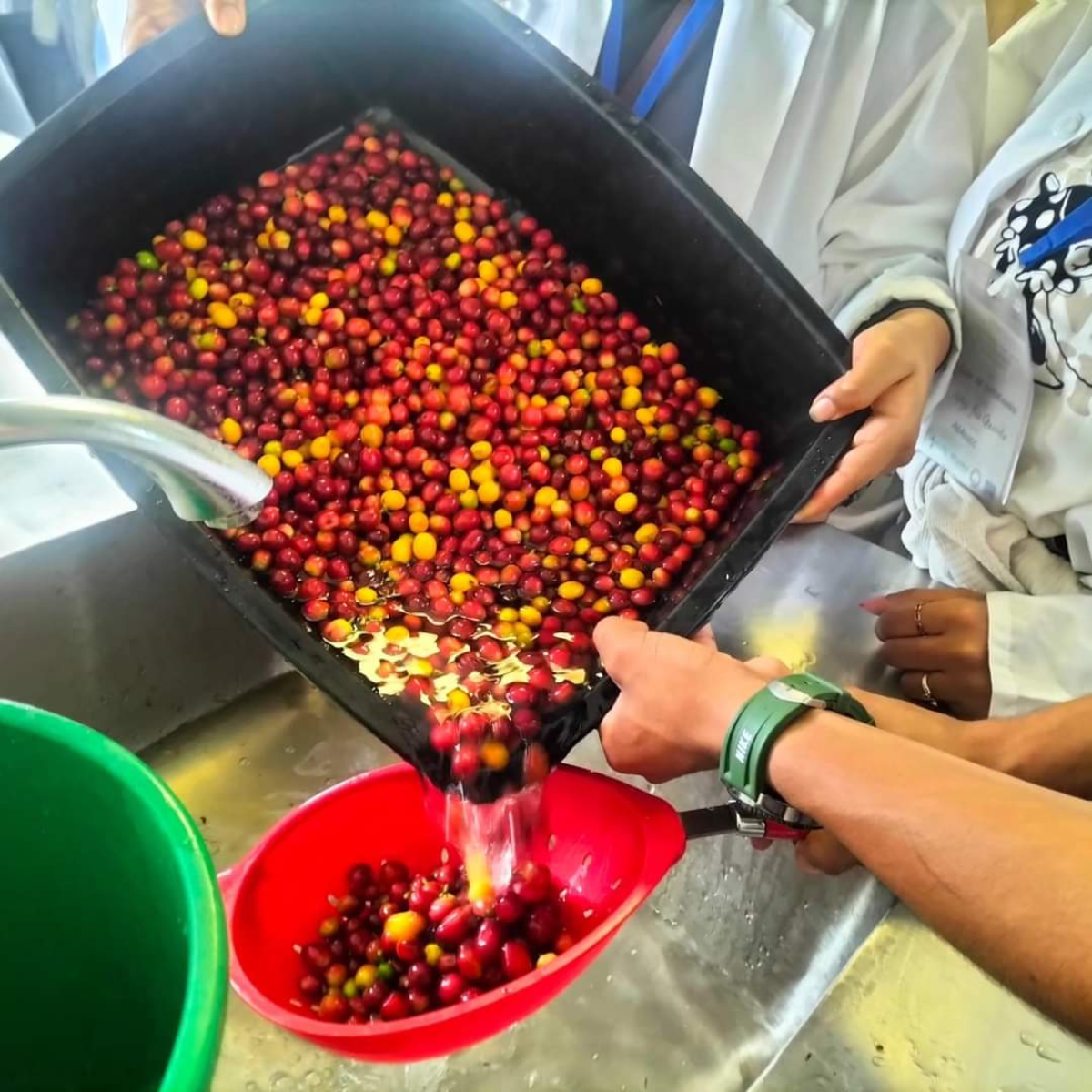
A modeling will be technologically implemented with a sample subgroup (200 coffee farmers), where the benefits of adopting various sustainable agricultural practices to obtain high quality coffee will be investigated, such as implementation of coffee crops under shade, the use of coffee co-products as biofertilizers and raw materials. raw materials for the food agroindustry, the implementation of agroforestry systems, the adoption of technologies for grain processing and transformation. These practices will be compared with traditional practices to evaluate their environmental and social impact and the impact on value creation. The community is currently exploring adaptation strategies to improve the resilience of farming communities and their coffee agroecosystems, a more positive approach that can facilitate stakeholder engagement by focusing on building resilience rather than perceiving them as 'victims'. of climate change.
At the SUP processing plant, GHG emissions and other impacts will be estimated, including fuel use, waste levels and co-products generated. The participation campaigns will use the producers' profiles on social networks, complemented by workshops and practical sessions organized by SUP and Tecni. These will present various scenarios derived from the CHOICE IAM modeling framework in a simplified language, using data stories relevant and engaging for the local context. Emphasis will be on mitigating community risks associated with rising temperatures and increased likelihood of extreme flash flooding, informed by CHOICE IAM models and spatially reduced data on biodiversity, water, health and climate change impacts. Impacts will also be linked to biodiversity offsets, exploiting the spatially-explicit GLOBIOM relevant module.
Enablers
The following CHOCE enablers will be used to achieve the pilot scope:
- CHOICE IAM models (FABLE, GLOBIOM) through interactive interfaces.
- Behavioural models.
- Data storytelling visuals and narratives.
- Randomised Control Trial (RCT) framework.
Expected Measurable Outcomes
- Increase the number of coffee farmers who will adopt pro-environmental behavior using the suggested green agricultural practices, that is, shade coffee cultivation, technological adoption of grain production and transformation practices, use of coffee husks as biofertilizers and agroforestry systems.
- Actively involve more than 200 women farmers in the project campaigns and workshops, maintaining their participation for at least 12 months, with a higher rate (at least 30%) of adoption of sustainable agricultural practices.
- 10% increase in synergies between coffee producers in production and processing activities, creating a protocol for the co-production of new sustainable coffee specialties.
- Involve more than 200 local coffee farmers with different scenarios of sustainable agricultural practices, interacting with the FABLE calculator interface, observing climate indices and risks in their agroforestry ecosystem through the work of T3.3, as well as biodiversity information from the Spatially explicit GLOBIOM. module. Measurement indicators from farmers' experience regarding usability, trust and relevance.
- Organize at least 3 large-scale campaigns and 4 annual challenges, 1 per quarter with objectives related to CHOICE.
Involved partners
Pilot leader:
Partners:














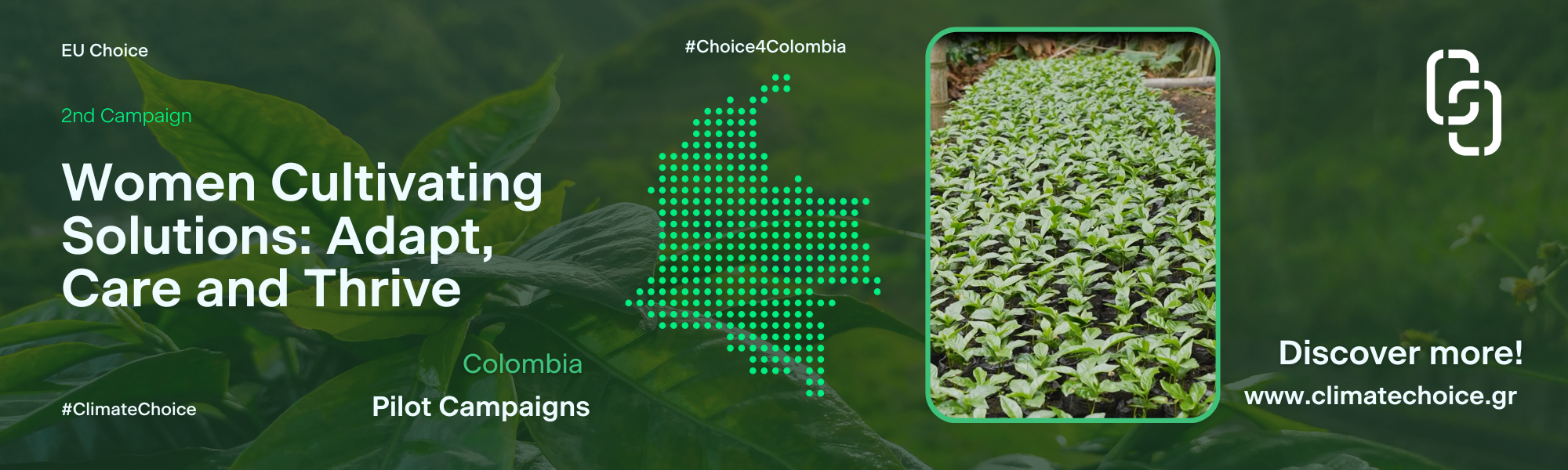
Women Cultivating Solutions. The "Cinema at the Farm" campaign
Overview:
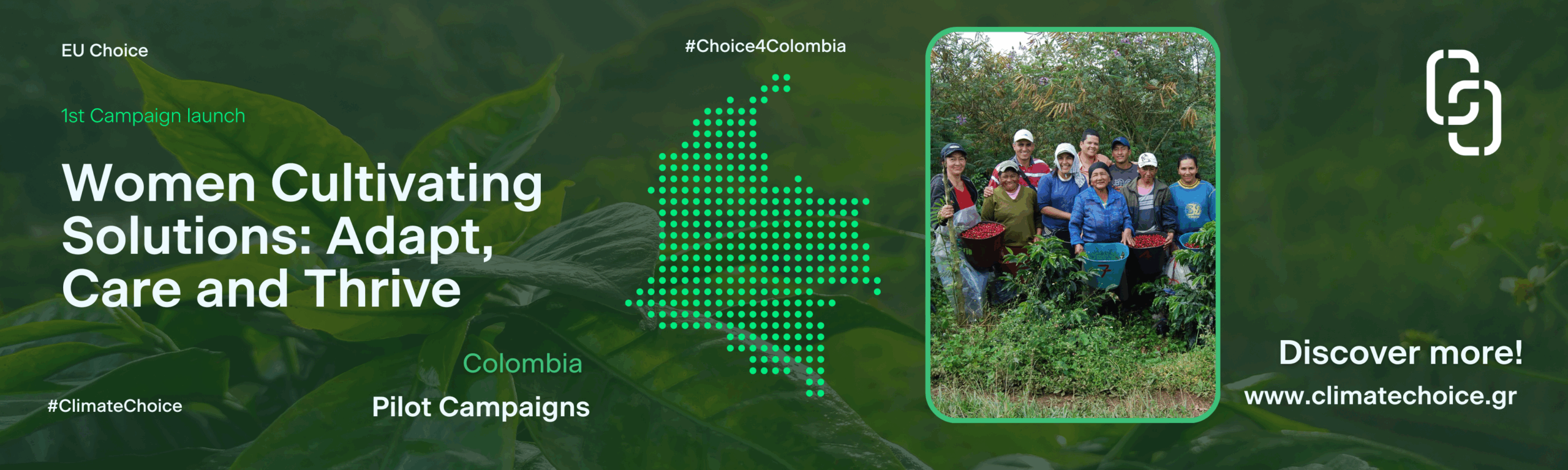
The first campaign of the Colombian pilot, led by AMUCC, SUPRACAFÉ and TECNiCAFÉ, is titled “Women Cultivating Solutions: Adapt, Care, and Thrive.” It focuses on supporting women coffee farmers in Cauca to adapt their agricultural practices to climate change. Through the creative “Cinema at the Farm” approach, women gather to watch short peer‑produced video stories that reflect their own realities, inspiring collective reflection and sustainable action.
Objectives:
- Raise awareness among women coffee farmers about the impacts of climate change.
- Reduce reliance on chemical fertilizers and pesticides.
- Promote water‑saving practices in coffee post‑harvest.
- Encourage the use of alternative energy and organic soil management.
Target Audience:
490 women coffee farmers from AMUCC, especially those aged 35–60 who still use conventional practices.
Approach & Activities:
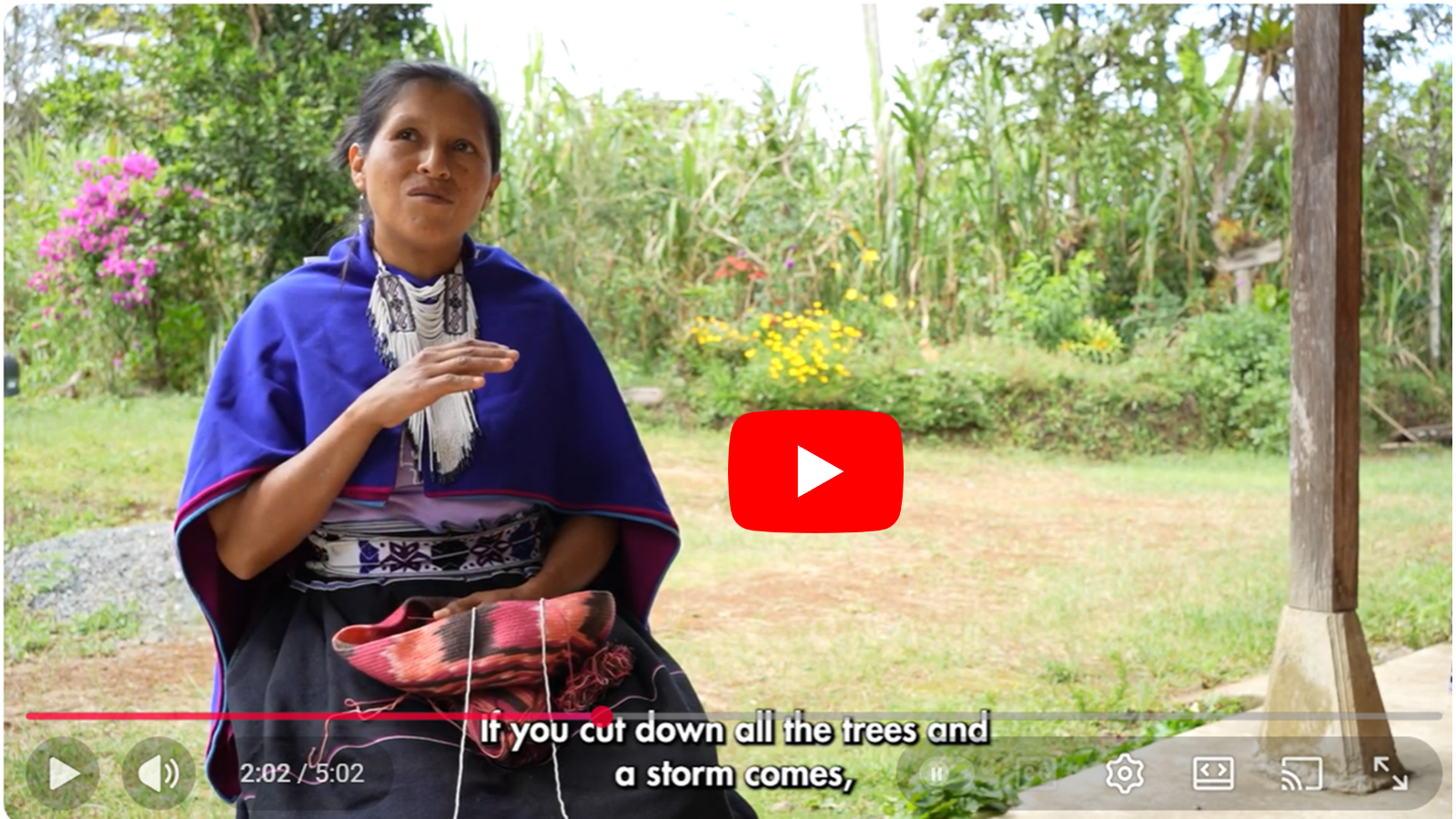
The campaign uses a participatory theater‑style format called Cinema at the Farm (CINE A LA FINCA). Women watch five “Netflix‑style” mini‑episodes created by their peers, which highlight real stories of climate impacts and solutions. The series begins with “The Weather is Changing, So Do I” and continues with other stories highlighting climate challenges and practical solutions. The videos are shown in farm‑based community gatherings, fostering dialogue, reflection, and collective commitment to action.
Timeline:
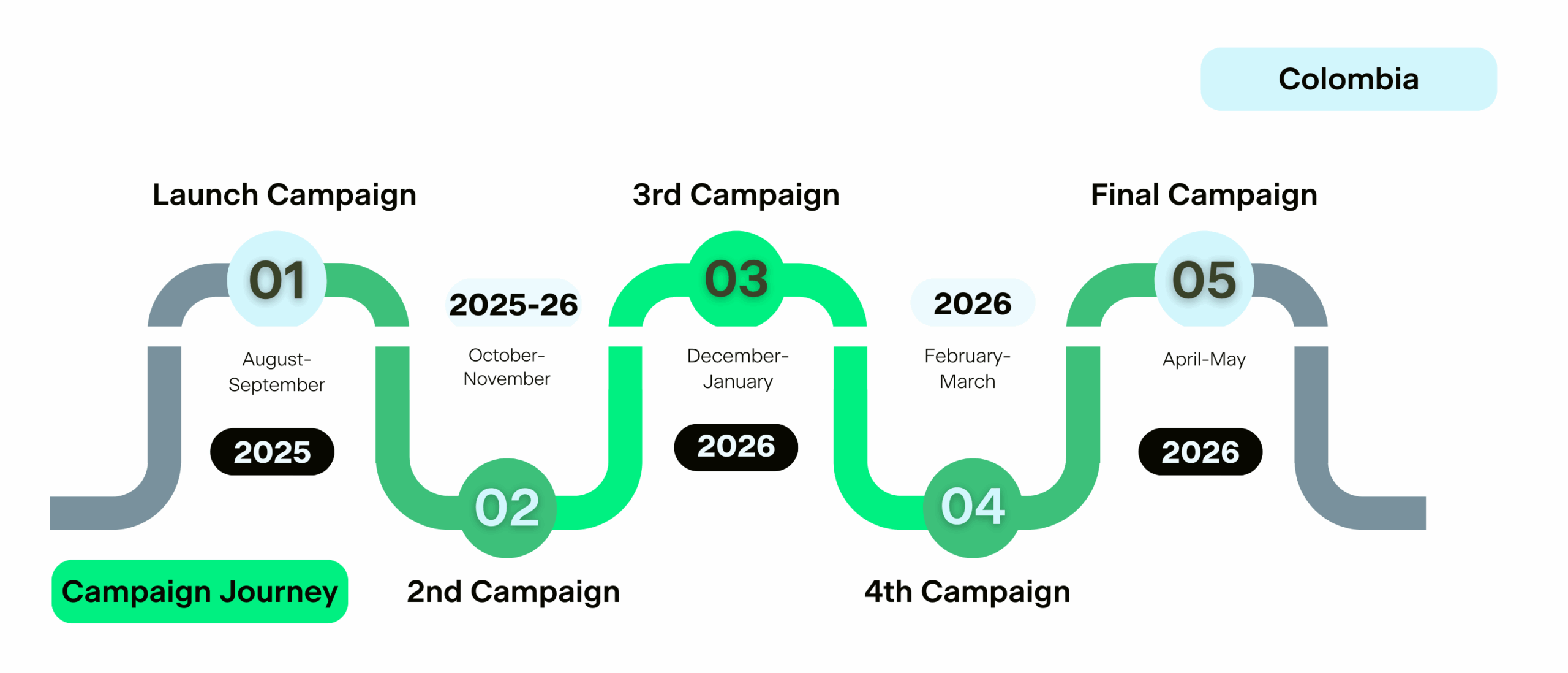
August– September 2025
Location:
Cauca region (municipalities including Morales, Piendamó, Caldono, Cajibío, Popayán, Timbío, and others).
Expected Impact:
- Greater awareness of climate risks among women coffee farmers.
- Adoption of more sustainable agricultural practices in the coffee production.
- Empowerment of women as leaders of change in their communities.
Join the Campaign!
Women Cultivating Solutions. The "Cinema at the Farm" campaign
Overview:
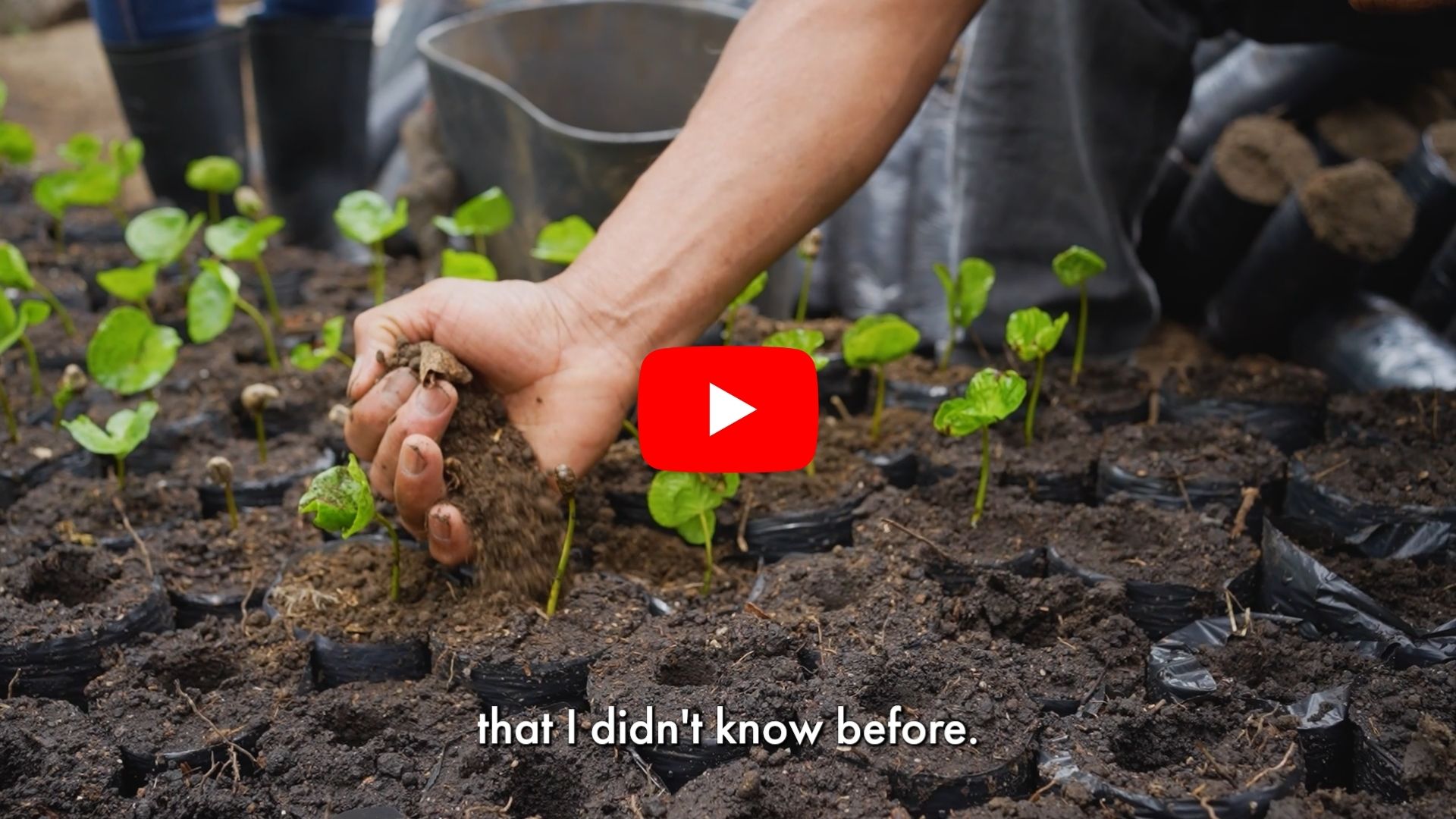
The second Cine a la Finca campaign, titled “I Learn and Unlearn to Care for My Coffee, My Land, and My Future,” is aimed at women coffee farmers in Cauca and highlights, through a short film produced and starring the AMUCC Women, real-life examples of producers implementing best practices to obtain high-quality coffee. The story emphasizes the importance of organic fertilization, especially the incorporation of organic matter and the use of natural inputs, showing how these actions optimize resources and promote environmentally sustainable production. Addressing the myths that still exist about this practice, the short film and its presentation during the III Women in Coffee Meeting of Cauca, ENTREAMIGAS, held on November 21, 2025, at the Hotel Hacienda Supracafé, seek to clarify doubts and bridge cultural, social, and economic gaps through relatable examples and authentic experiences from the region.
Objectives:
- To raise awareness among 80% of the women participating in the Third Women in Coffee Meeting of Cauca about the benefits of organic fertilization through the screening and discussion of a short film.
- To showcase the productive experiences of AMUCC women who implement best practices for obtaining high-quality coffee.
- To reduce the perception of myths and barriers associated with organic fertilization among the coffee growers in attendance, as assessed through surveys before and after the event.
- To promote the adoption of organic fertilization practices on the farms of the participating women.
Target Audience:
490 women coffee farmers from AMUCC, especially those aged 35–60 who still use conventional practices.
Approach & Activities:
The campaign uses a participatory theater‑style format called Cinema at the Farm (CINE A LA FINCA). Women watch five “Netflix‑style” mini‑episodes created by their peers, which highlight real stories of climate impacts and solutions. The second episode of this series titled “I learn and unlearn to take care of my coffee, my land and my future” focuses on the effects of using synthetic chemical fertilizers and propose ways to reduce their use in coffee crops. The videos are shown in farm‑based community gatherings, fostering dialogue, reflection, and collective commitment to action.
Timeline:
Launch of the 2nd Campaign: 21 November 2025
Location:
Cauca region (municipalities including Morales, Piendamó, Caldono, Cajibío, Popayán, Timbío, and others).
Expected Impact:
- Greater appropriation of knowledge about organic fertilization among women coffee farmers, reflected in a deeper understanding of its benefits and informed decision-making for the sustainable management of their farms.
- Strengthening of the leadership and visibility of AMUCC Women, by positioning their successful experiences as regional benchmarks and multipliers of best practices in high-quality coffee production.
- Significant reduction of prejudice and misinformation surrounding organic fertilization, contributing to a more favorable environment for innovation and the adoption of agroecological practices in coffee-growing communities.
- Increased environmental sustainability and productive efficiency on women-led farms, thanks to the progressive incorporation of organic techniques that improve soil health, reduce costs, and strengthen the resilience of agricultural systems.
Join the Campaign!
Drops of water that drive change in coffee farming
Overview:
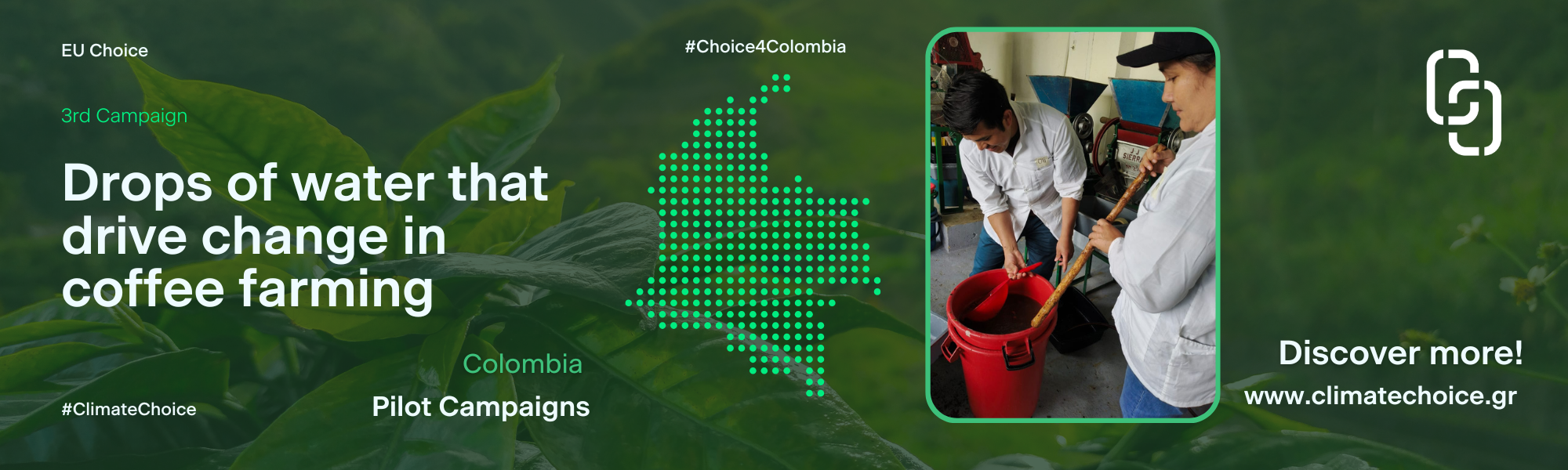
The third Colombian pilot campaign, “Drops of Water That Drive Change in Coffee Farming,” focused on raising awareness among women coffee farmers in Cauca about the often‑invisible water use involved in daily life and coffee production. Implemented as a participatory learning session, the campaign introduced key concepts related to water consumption in coffee washing and processing through interactive exercises, visual explanations, and collective dialogue. As part of this campaign, a peer-produced video was developed and shared with participants. Following the screening campaign, a facilitated presentation and hands‑on activities took place to help participants reflect on how much water is used in common household tasks and during coffee production.
By introducing the concepts of green, blue, and grey water in a simple and accessible way, the campaign made water footprints tangible and relevant to participants’ lived experiences. Delivered during municipal meetings held in parallel with the second campaign implementation, the sessions encouraged peer learning, critical reflection, and discussion around more efficient and sustainable water‑use practices in coffee farming.
Objectives:
- To raise awareness among women coffee farmers in Cauca about water use in daily activities and coffee production through participatory presentations and group activities.
- To improve understanding of the different types of water involved in coffee production (green, blue, and grey water) and their environmental implications.
- To encourage reflection on current water management practices at farm and household level, assessed through surveys conducted before and after the activities.
- To promote the adoption of more efficient and sustainable water‑use practices in coffee cultivation and processing among participating women
Target Audience:
Women coffee farmers from AMUCC, with a total of 83 participants directly involved in the third campaign across municipalities. The campaign particularly engaged women aged 35–60 who continue to rely on conventional coffee production and processing practices.
Approach & Activities:
The campaign followed the Cine a la Finca participatory approach, combining facilitated presentations with interactive and dialogue‑based activities.
Key activities included:
- Screening of the video “Drops of Water That Drive Change in Coffee Farming”
- A guided discussion on the importance of water in daily life and coffee farming.
- A participatory exercise where women ranked everyday activities according to water consumption.
- Visual explanations of water use in coffee production, including washing and fermentation processes.
- Introduction of the concepts of green, blue, and grey water using practical, locally relevant examples.
- Group exchanges where participants shared existing good practices for reducing water use.
- Completion of pre‑ and post‑campaign surveys to assess learning and reflection.
This approach fostered collective learning, peer exchange, and practical understanding, while remaining accessible to participants with diverse literacy levels.
Timeline:
09-12 December
Location:
Cauca region, Colombia, including municipalities such as Cajibío, Piendamó, Morales, El Tambo (I and II), Caldono, and La Vega.
Expected Impact:
- Increased understanding of actual water use in coffee production and daily activities among participating women coffee farmers.
- Greater awareness of the environmental implications of water consumption and the importance of efficient water management.
- Strengthened peer learning and exchange of good practices related to water use in coffee washing and processing.
- Enhanced environmental sustainability and productive efficiency on women‑led farms through the gradual adoption of water‑saving practices.
- Reinforced leadership and visibility of AMUCC women as local agents of change and promoters of sustainable coffee production practices.
Join the Campaign!
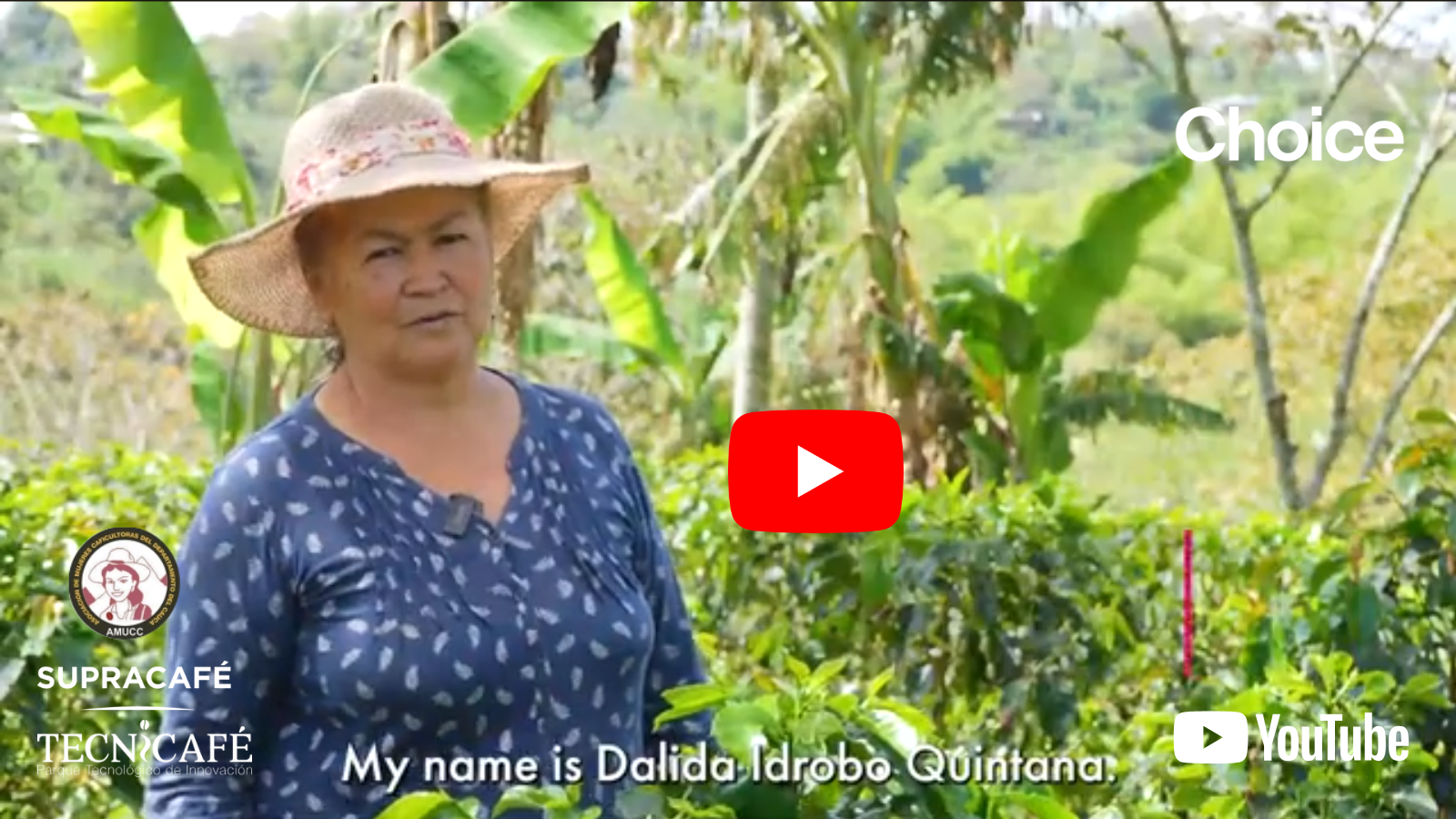
Find more in the following presentation (link) and watch the video (link)!
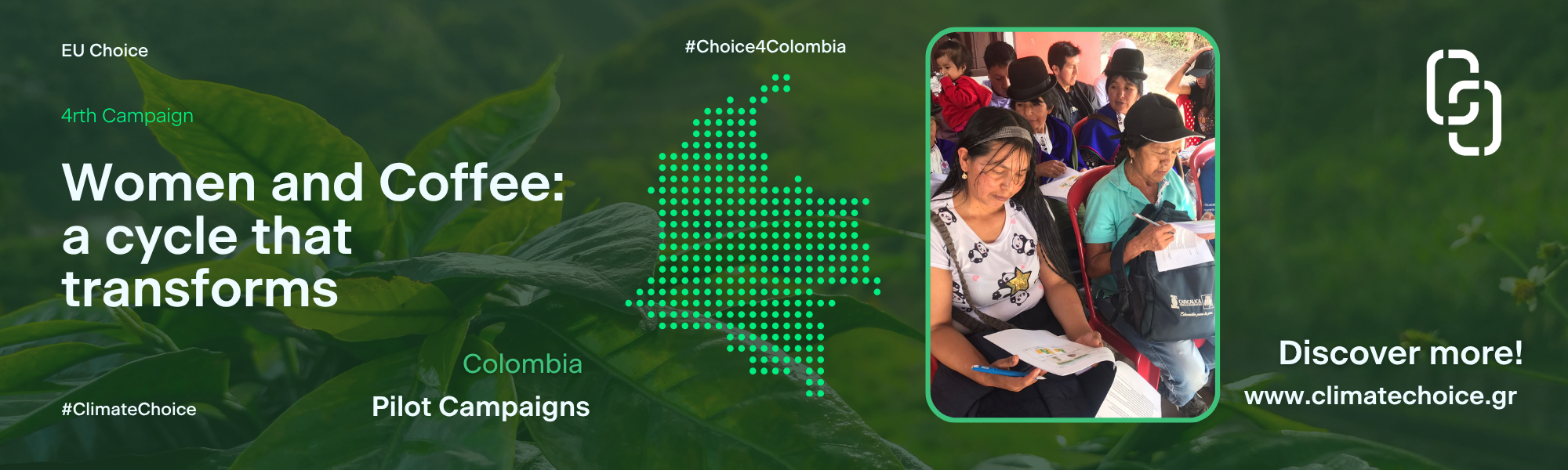
Women and Coffee: a cycle that transforms
Overview:
The fourth edition of the “Cine a la Finca” campaign: Women and Coffee: a cycle that transforms, held from February 23 to 27, 2026, marks a milestone in the transition toward high-quality, low-emission coffee farming for the women of AMUCC. With the aim of mitigating the effects of climate change, this campaign focused on knowledge transfer regarding the use of renewable energy in crop management equipment and the implementation of community transportation systems. By encouraging women producers to collectively transport their coffee to the collection center, we not only optimize rural logistics but also drastically reduce the carbon footprint of the value chain, thereby fulfilling the fundamental pillars of the CHOICE project, funded by the European Union.
The success of this event was reflected in the active participation of 148 women leaders from all the municipalities in the association, who demonstrated that environmental sustainability is the driving force behind coffee excellence. Through the production of this fourth campaign, we were able to document and adopt technical practices that transform the sun’s energy and the strength of the community into tools for climate resilience. This joint effort reaffirms our commitment to protecting the environment and the economic well-being of our families, consolidating a production model that cares for the planet while celebrating the identity of coffee.
Objectives:
- Promoting the energy transition in coffee farming: Implementing and sharing technical knowledge on the use of renewable energy sources in the machinery and equipment used for coffee cultivation and processing, thereby reducing reliance on fossil fuels on the farms of women in the AMUCC.
- Optimizing logistics through community transport: Establishing a collective mobility model for transporting coffee from production units to collection centers, with the aim of reducing greenhouse gas emissions and improving transport cost efficiency.
- Strengthen climate governance among AMUCC women: Empower 148 women leaders in the coffee sector from various municipalities through the methodological development of “Cine a la Finca,” facilitating the adoption of good agricultural practices aligned with the European Union’s climate action objectives.
- Document and disseminate sustainable production practices: Produce and validate specialized audiovisual material (video clips) that reflects the implementation of clean technologies and cooperative models, serving as an educational tool to replicate the model of high-quality coffee with low environmental impact.
Target Audience:
148 female coffee producers from AMUCC, particularly those between the ages of 35 and 60 who continue to use conventional farming practices.
Approach & Activities:
The fourth campaign uses the innovative “Movies on the Farm” format to address energy sovereignty and sustainable logistics. This time, the women of AMUCC star in the fourth episode of the series, titled “Women and Coffee: a cycle that transforms” which highlights real stories about the transition to renewable energy in coffee machinery and the implementation of community transportation systems. Through this “Netflix-style” episode, practical solutions are presented to reduce dependence on fossil fuels and optimize the transport of beans from the plots to the collection center through collaborative work. The screenings, held in the heart of the farms from February 23 to 27, 2026, serve as a catalyst for dialogue and collective commitment, encouraging the 148 participants to adopt clean technologies that strengthen their communities’ climate resilience within the framework of the CHOICE project.
Timeline:
23-27 Feb 2026
Location:
Cauca region (municipalities including Morales, Piendamó, Cajibío, El Tambo, la Vega and others).
Expected Impact:
- Widespread Participation: We benefit from the voices and leadership of 148 women coffee farmers from all the municipalities where AMUCC operates, uniting standards of high quality and environmental respect.
- Knowledge Transfer: We validated methodologies for the use of organic inputs and low-energy-impact equipment, ensuring that high-quality coffee production goes hand in hand with the preservation of our ecosystems.
- Strengthening the Social Fabric: We consolidated the community collective transportation strategy, a solution that not only reduces greenhouse gas emissions but also optimizes costs for members and reinforces the spirit of sisterhood.
- Audiovisual Production: The resulting video clip captures the essence of these best practices, becoming a powerful educational tool to encourage more rural families to join the climate action movement.
- “With every technical decision we make on the farm, we are sowing a more sustainable future for the next generations. The energy that drives women’s coffee is now as pure as the beans they harvest
Join the Campaign!
Find more in the following presentation (link) and watch the video (link)!
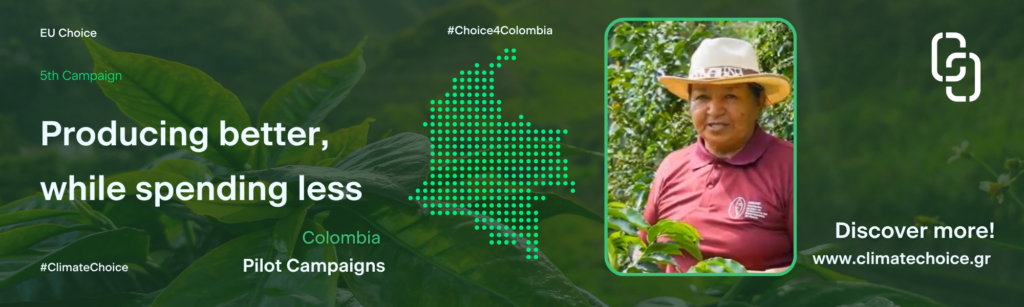
Producing better, while spending less
Overview:
The fifth and final CHOICE campaign in Colombia, “Producing Better, While Spending Less,” brings together the knowledge, practices and experiences developed throughout the four previous campaigns with women coffee farmers from AMUCC.
Through the experiences of women who have tested sustainable solutions on their own farms, the campaign demonstrates how climate-smart coffee production can make better use of available resources while helping to reduce production costs. It revisits the practices promoted during the pilot, including reducing the use of synthetic fertilisers, adopting organic alternatives, improving water management during coffee processing, and lowering fossil-fuel and electricity consumption.
Using peer-produced stories and the participatory Cinema at the Farm approach, the campaign presents sustainable farming as an accessible and locally tested pathway. It shows that practical changes already within farmers’ reach can support healthier plants, more stable coffee production, lower input costs and greater resilience to climate change—without requiring major financial investment.
Above all, the campaign celebrates the knowledge, experience and leadership of AMUCC women, recognising them as agents of climate action who are helping to build a more sustainable and resilient coffee sector in Cauca.
Objectives:
- Consolidate the knowledge and lessons generated throughout the four previous CHOICE campaigns.
- Demonstrate that climate-smart coffee production improves productivity while reducing production costs.
- Highlight the environmental, social and economic benefits achieved through the adoption of sustainable farming practices.
- Inspire women coffee farmers to continue implementing practical, low-cost solutions that strengthen the resilience of their farms.
- Celebrate the leadership of AMUCC women as agents of climate action and promoters of sustainable coffee production within their communities.
Target Audience:
490 women coffee farmers from AMUCC, particularly those between 35 and 60 years old who still rely on conventional farming practices.
Approach & Activities:
During the 5th “Cine a La Finca” Campaign, in addition to watching the campaign video, participants will take part in interactive activities titled: “How Sustainable Is My Coffee Farm?” “How Close Am I to Producing More Coffee and Spending Less?” and will also play the “Climate and Coffee Roulette.” Through these activities, the women will analyze which practices they have implemented on their farms and how they are driving change in their sustainability—environmental, productive, and economic.
Timeline:
31 August - 4 September 2026
Location:
Cauca Region, Colombia, including the municipalities where the CHOICE pilot campaign was implemented: Morales, Piendamó, Caldono, Cajibío, Popayán, Timbío, El Tambo, La Vega and surrounding coffee-growing communities.
Expected Impact:
- Greater understanding among AMUCC women of how the practices promoted throughout the five campaigns can jointly contribute to more efficient, productive and climate-resilient coffee farming.
- Increased confidence and motivation among participating women to adopt or continue at least one practical, low-cost sustainable farming practice during the next coffee production cycle.
- Wider adoption of practices that reduce dependence on synthetic fertilisers, improve water efficiency, lower energy and fossil-fuel consumption, and optimise the use of farm resources.
- Improved awareness of the potential economic benefits of sustainable production, including reduced input, water, energy and transportation costs.
- Strengthened peer-to-peer learning and exchange of locally tested solutions among women coffee farmers across the municipalities represented by AMUCC.
- Greater visibility and recognition of AMUCC women as leaders of climate action, sustainable coffee production and community resilience in the Cauca region.
- Creation of a strong concluding narrative that documents the lessons of the Colombian pilot and encourages the continuation and replication of successful practices beyond the CHOICE project.